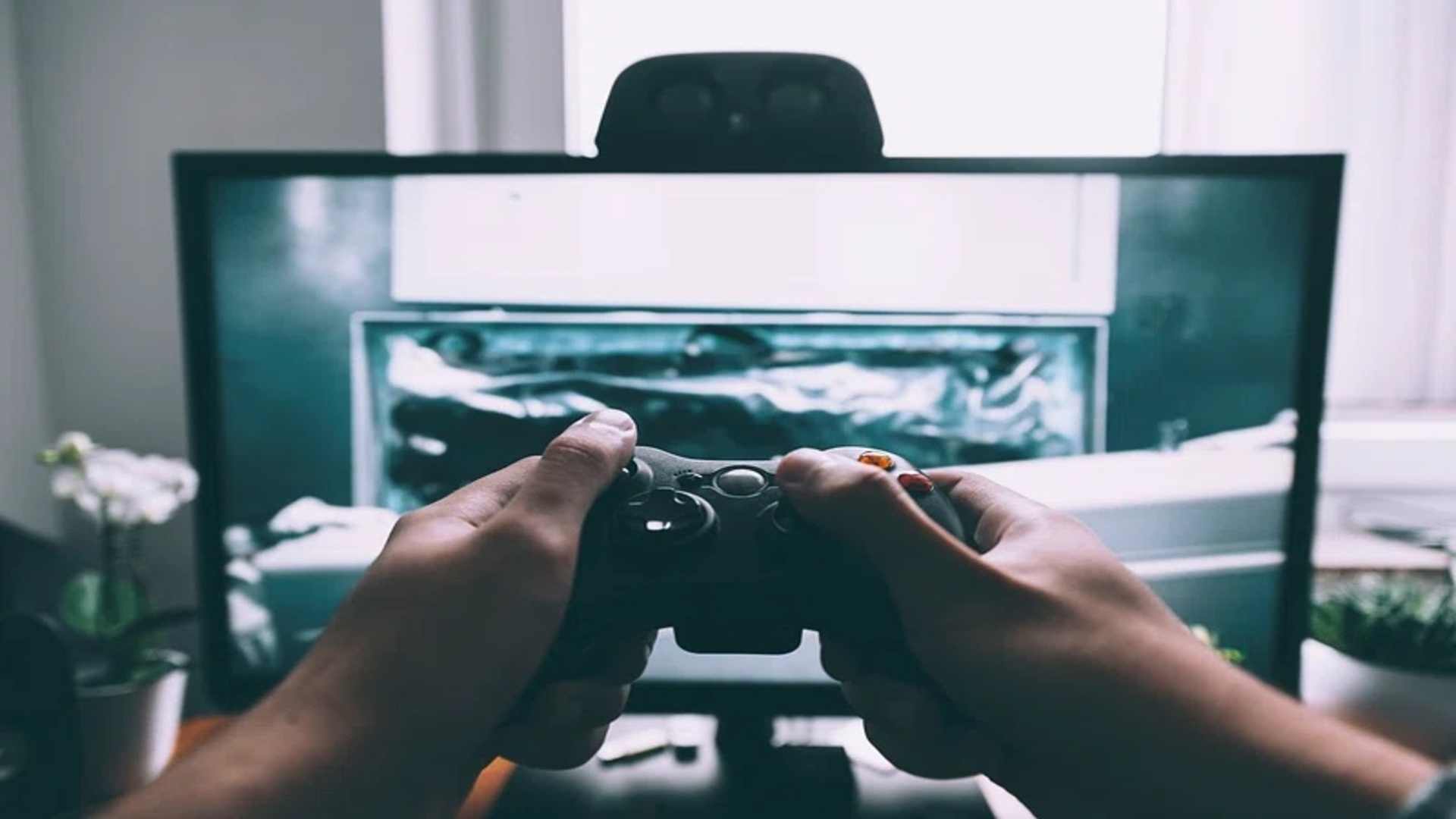
The concept of replayability in arcade gaming goes beyond simply chasing a high score; it involves a deep connection between player skill and evolving game mechanics. While many modern titles focus on a linear story, classic and contemporary arcade experiences prioritize a loop that feels fresh every time you press start.
The Mechanics of Procedural Generation and Variety
One of the most effective ways developers achieve endless play is through the use of procedural generation. This technique ensures that every level or encounter is randomized, meaning no two gaming sessions are ever exactly the same.
By shifting the environment or enemy patterns, the game forces players to rely on their intuition rather than simple muscle memory. This unpredictability keeps the adrenaline high and prevents the experience from feeling repetitive after several hours of play.
Furthermore, variety in character classes or equipment sets allows for different strategic approaches. Players can experiment with various combinations to find a playstyle that best suits their individual preferences and strengths.
Psychological Engagement Through Immediate Feedback
Arcade games are masters of the psychological feedback loop, providing instant rewards for every successful action taken on screen. This constant stream of positive reinforcement encourages players to continue improving their techniques and pushing for better results.
The clear sense of progression is vital, as it allows gamers to visualize their growth over time. Whether it is mastering a complex combo or surviving a difficult wave, these small victories build a lasting sense of accomplishment.
To further enhance this engagement, many enthusiasts look for platforms that offer a wide selection of these rewarding experiences. Navigating to a reliable portal like M88id can provide access to high-quality titles that prioritize player satisfaction and long-term interest.
The Role of Global Competition and Social Interaction
Social connectivity has transformed the once-solitary arcade experience into a global competitive arena. Online leaderboards and real-time multiplayer modes allow individuals to test their skills against opponents from every corner of the world.
The desire to climb the rankings provides a powerful incentive to return to the game daily. Seeing a friend's score just above yours can spark a healthy rivalry that keeps the community vibrant and active for years.
Additionally, cooperative modes encourage teamwork and communication among players. Solving difficult puzzles or defeating massive bosses together creates shared memories that strengthen the bond within the gaming community.
Balancing Difficulty and Skill Acquisition
A perfectly balanced difficulty curve is the secret ingredient to a game that never gets old. If a game is too easy, it becomes boring, but if it is too hard, it leads to frustration and abandonment.
The best arcade titles follow the mantra of being easy to learn but difficult to master. This accessibility ensures that beginners can have fun immediately while veterans still find room for significant skill development.
As players reach higher levels of mastery, the game should introduce new layers of complexity. This structured escalation ensures that the challenge remains meaningful and rewarding throughout the entire journey.